| Availability: | |
|---|---|
| Quantity: | |
In the intricate world of electronics, from professional PCB assembly to hobbyist projects, the quality of your solder is paramount. It is the conductive adhesive that forms the physical and electrical backbone of every circuit. Among the myriad of choices available, the classic 50 50 lead solder with a flux core, conveniently packaged in a solder in roll format, remains a trusted and highly effective solution for a wide range of applications. This comprehensive guide delves deep into the specifics of using a 50 50 tin solder 250g roll, exploring its composition, the critical importance of diameter selection (1.5mm, 2mm, and 3mm), and why it is an excellent 50 50 lead solder for electronics. Whether you are a seasoned engineer or a weekend maker, understanding this fundamental tool will significantly enhance your soldering results.
Before we examine the practical aspects of the lead solder in roll, it's crucial to understand what this alloy is. The "50/50" designation refers to its composition: 50% tin and 50% lead. This specific ratio creates a eutectic alloy, meaning it has a single, sharp melting point rather than a plastic range. A 60/40 solder, for instance, transitions through a semi-liquid "pasty" state. In contrast, 50 50 lead solder melts completely at around 183-190°C (361-374°F) and solidifies almost instantly upon cooling. This characteristic is a significant advantage in electronics soldering, as it minimizes the risk of "cold joints" caused by disturbing the solder before it fully sets. The inclusion of a flux core is non-negotiable for electronics work. Flux is a chemical cleaning agent that removes oxidation from the metal surfaces being joined, allowing the molten solder to flow smoothly and create a strong, reliable bond. Without flux, solder would simply bead up on oxidized copper, resulting in a weak or non-existent connection.
The debate around lead-free solders is valid, driven by environmental and health regulations like RoHS. However, there are compelling reasons why a 50 50 lead solder for electronics is still preferred in many contexts, particularly in prototyping, repair, and non-commercial applications.
The 50/50 alloy exhibits excellent wetting characteristics. "Wetting" refers to the solder's ability to spread evenly over a component lead and PCB pad, forming a concave fillet rather than a ball. The lead content in 50 50 lead solder lowers the surface tension of the molten tin, enabling it to flow more freely and create stronger, more reliable connections with superior electrical conductivity.
The eutectic nature of 50 50 lead solder means it melts at a temperature significantly lower than most lead-free alternatives (which often require 217-227°C or more). This lower working temperature reduces the thermal stress on sensitive electronic components and the fiberglass substrate of the PCB, lowering the risk of damaging heat-sensitive parts like ICs or transistors during assembly or repair.
Solder joints made with 50 50 lead solder are renowned for their strength and shiny, smooth appearance. This visual characteristic is more than just cosmetic; a shiny joint typically indicates a well-formed, crystalline structure free from defects. The quick solidification of the eutectic alloy prevents the formation of grainy, dull "cold joints," which are a common source of intermittent failures in electronic devices.
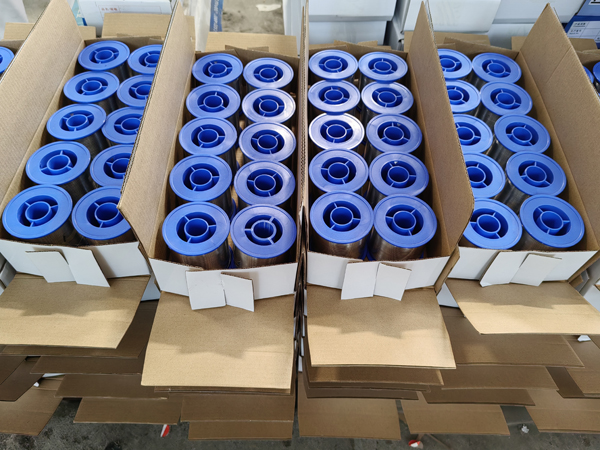
When it comes to packaging, the 50 50 lead solder 250g roll and its counterpart, the 50 50 tin solder 250g roll, represent the ideal balance for most users. This format offers substantial volume without being unwieldy.
Purchasing a 50 50 tin solder 250g roll is far more economical than buying multiple smaller spools. For anyone who engages in regular soldering work—be it a technician, an engineer, or an avid hobbyist—this size provides excellent value for money, reducing the cost per joint significantly.
A 250g spool is a convenient size that fits perfectly on most standard soldering benches and in toolboxes. It provides a long-lasting supply of solder, minimizing the frequency of reorders, while remaining compact enough for easy storage and handling. The lead solder in roll format also ensures the wire feeds smoothly from the dispenser, preventing tangles and kinks that can disrupt workflow.
Perhaps the most critical practical choice, after the alloy itself, is the diameter of the solder wire. Using the wrong size can lead to messy joints, damaged boards, or insufficient solder. The availability of 50 50 lead solder 1.5mm, 50 50 lead solder 2mm, and 50 50 lead solder 3mm diameters caters to virtually every task in electronics.
The 50 50 lead solder 1.5mm diameter is the go-to choice for fine-pitch, high-precision work. Its thin profile allows for exceptional control over the amount of solder deposited.
Ideal For: Surface-mount technology (SMT) components like 0603, 0402, or even smaller resistors and capacitors, fine-pitch integrated circuits (ICs), and repairing connections on densely packed modern PCBs.
Advantage: Prevents bridging between closely spaced pins and allows for quick, precise application with minimal waste. For intricate tasks involving micro-soldering, the 50 50 lead solder 1.5mm wire is indispensable.
The 50 50 lead solder 2mm diameter is arguably the most versatile and commonly used size. It strikes a perfect balance between control and deposition speed, making it suitable for a vast majority of through-hole and larger SMD soldering tasks.
Ideal For: Standard through-hole components (resistors, capacitors, DIP ICs, connectors), larger SMD components like SOIC packages, and general-purpose wiring.
Advantage: A single user comfortable with the 50 50 lead solder 2mm wire can often complete an entire project without switching spools, as it is adaptable enough for both moderately fine work and larger joints.
When the job involves larger components and thicker wires that demand a higher volume of solder, the 50 50 lead solder 3mm diameter is the tool for the job. Its thicker wire delivers more solder per unit length, speeding up work on substantial connections.
Ideal For: Soldering heavy-gauge wires, ground planes, large terminals, connectors with substantial pins (e.g., XLR, power jacks), and chassis grounds.
Advantage: Using a 50 50 lead solder 3mm wire for these tasks is far more efficient than repeatedly feeding a thinner wire, ensuring a strong, robust joint with adequate thermal and electrical mass.

Owning a high-quality tin solder in roll is the first step; using it correctly is the next. Adhering to proper technique ensures safety, efficiency, and the highest quality results.
Always work in a well-ventilated area, as the flux core produces fumes when heated. Use a fume extractor or fan to direct smoke away from your face. Ensure your soldering iron tip is clean, well-tinned, and set to the correct temperature—typically between 300°C and 350°C (572°F - 662°F) for 50 50 lead solder. A temperature-controlled iron is highly recommended.
The key to a good joint is the transfer of heat. Follow these steps:
Clean: Ensure the component lead and PCB pad are clean and free of oxidation.
Heat: Apply the soldering iron tip to both the component lead and the PCB pad simultaneously. Hold it there for 1-2 seconds to bring both up to soldering temperature.
Feed: Gently feed the solder in roll into the junction of the heated component and pad, not directly onto the iron tip. The flux will activate, and the solder will flow smoothly.
Remove: Once a sufficient amount of solder has flowed to create a concave fillet, remove the solder wire first, then quickly remove the iron.
Inspect: Allow the joint to cool undisturbed. A good joint will be shiny, smooth, and fully cover the pad without bridges or gaps.
To preserve the quality of your 50 50 lead solder 250g roll, store it in a cool, dry place. Exposure to moisture can degrade the flux core's effectiveness over time. Keeping the spool in its original plastic container or a sealed bag will help maintain its performance for years.
In conclusion, the 1.5mm, 2mm, and 3mm diameter 50 50 tin lead solder with flux core, packaged in a practical 250g roll, is a foundational material for anyone working with electronics. Its superior wetting action, lower melting point, and reliable joint formation make the 50 50 lead solder for electronics a top-tier choice. By understanding the specific applications for the 50 50 lead solder 1.5mm, 50 50 lead solder 2mm, and 50 50 lead solder 3mm diameters, you can select the perfect tool for every task, from the most delicate micro-soldering to robust mechanical connections. Investing in a high-quality 50 50 tin solder 250g roll and mastering its use is an investment in the quality, reliability, and longevity of all your electronic creations and repairs.
Contact us:
Email: xfsolder@163.com or xfsolder@gmail.com
WhatsApp/Wechat: 008613450770997
In the intricate world of electronics, from professional PCB assembly to hobbyist projects, the quality of your solder is paramount. It is the conductive adhesive that forms the physical and electrical backbone of every circuit. Among the myriad of choices available, the classic 50 50 lead solder with a flux core, conveniently packaged in a solder in roll format, remains a trusted and highly effective solution for a wide range of applications. This comprehensive guide delves deep into the specifics of using a 50 50 tin solder 250g roll, exploring its composition, the critical importance of diameter selection (1.5mm, 2mm, and 3mm), and why it is an excellent 50 50 lead solder for electronics. Whether you are a seasoned engineer or a weekend maker, understanding this fundamental tool will significantly enhance your soldering results.
Before we examine the practical aspects of the lead solder in roll, it's crucial to understand what this alloy is. The "50/50" designation refers to its composition: 50% tin and 50% lead. This specific ratio creates a eutectic alloy, meaning it has a single, sharp melting point rather than a plastic range. A 60/40 solder, for instance, transitions through a semi-liquid "pasty" state. In contrast, 50 50 lead solder melts completely at around 183-190°C (361-374°F) and solidifies almost instantly upon cooling. This characteristic is a significant advantage in electronics soldering, as it minimizes the risk of "cold joints" caused by disturbing the solder before it fully sets. The inclusion of a flux core is non-negotiable for electronics work. Flux is a chemical cleaning agent that removes oxidation from the metal surfaces being joined, allowing the molten solder to flow smoothly and create a strong, reliable bond. Without flux, solder would simply bead up on oxidized copper, resulting in a weak or non-existent connection.
The debate around lead-free solders is valid, driven by environmental and health regulations like RoHS. However, there are compelling reasons why a 50 50 lead solder for electronics is still preferred in many contexts, particularly in prototyping, repair, and non-commercial applications.
The 50/50 alloy exhibits excellent wetting characteristics. "Wetting" refers to the solder's ability to spread evenly over a component lead and PCB pad, forming a concave fillet rather than a ball. The lead content in 50 50 lead solder lowers the surface tension of the molten tin, enabling it to flow more freely and create stronger, more reliable connections with superior electrical conductivity.
The eutectic nature of 50 50 lead solder means it melts at a temperature significantly lower than most lead-free alternatives (which often require 217-227°C or more). This lower working temperature reduces the thermal stress on sensitive electronic components and the fiberglass substrate of the PCB, lowering the risk of damaging heat-sensitive parts like ICs or transistors during assembly or repair.
Solder joints made with 50 50 lead solder are renowned for their strength and shiny, smooth appearance. This visual characteristic is more than just cosmetic; a shiny joint typically indicates a well-formed, crystalline structure free from defects. The quick solidification of the eutectic alloy prevents the formation of grainy, dull "cold joints," which are a common source of intermittent failures in electronic devices.

When it comes to packaging, the 50 50 lead solder 250g roll and its counterpart, the 50 50 tin solder 250g roll, represent the ideal balance for most users. This format offers substantial volume without being unwieldy.
Purchasing a 50 50 tin solder 250g roll is far more economical than buying multiple smaller spools. For anyone who engages in regular soldering work—be it a technician, an engineer, or an avid hobbyist—this size provides excellent value for money, reducing the cost per joint significantly.
A 250g spool is a convenient size that fits perfectly on most standard soldering benches and in toolboxes. It provides a long-lasting supply of solder, minimizing the frequency of reorders, while remaining compact enough for easy storage and handling. The lead solder in roll format also ensures the wire feeds smoothly from the dispenser, preventing tangles and kinks that can disrupt workflow.
Perhaps the most critical practical choice, after the alloy itself, is the diameter of the solder wire. Using the wrong size can lead to messy joints, damaged boards, or insufficient solder. The availability of 50 50 lead solder 1.5mm, 50 50 lead solder 2mm, and 50 50 lead solder 3mm diameters caters to virtually every task in electronics.
The 50 50 lead solder 1.5mm diameter is the go-to choice for fine-pitch, high-precision work. Its thin profile allows for exceptional control over the amount of solder deposited.
Ideal For: Surface-mount technology (SMT) components like 0603, 0402, or even smaller resistors and capacitors, fine-pitch integrated circuits (ICs), and repairing connections on densely packed modern PCBs.
Advantage: Prevents bridging between closely spaced pins and allows for quick, precise application with minimal waste. For intricate tasks involving micro-soldering, the 50 50 lead solder 1.5mm wire is indispensable.
The 50 50 lead solder 2mm diameter is arguably the most versatile and commonly used size. It strikes a perfect balance between control and deposition speed, making it suitable for a vast majority of through-hole and larger SMD soldering tasks.
Ideal For: Standard through-hole components (resistors, capacitors, DIP ICs, connectors), larger SMD components like SOIC packages, and general-purpose wiring.
Advantage: A single user comfortable with the 50 50 lead solder 2mm wire can often complete an entire project without switching spools, as it is adaptable enough for both moderately fine work and larger joints.
When the job involves larger components and thicker wires that demand a higher volume of solder, the 50 50 lead solder 3mm diameter is the tool for the job. Its thicker wire delivers more solder per unit length, speeding up work on substantial connections.
Ideal For: Soldering heavy-gauge wires, ground planes, large terminals, connectors with substantial pins (e.g., XLR, power jacks), and chassis grounds.
Advantage: Using a 50 50 lead solder 3mm wire for these tasks is far more efficient than repeatedly feeding a thinner wire, ensuring a strong, robust joint with adequate thermal and electrical mass.

Owning a high-quality tin solder in roll is the first step; using it correctly is the next. Adhering to proper technique ensures safety, efficiency, and the highest quality results.
Always work in a well-ventilated area, as the flux core produces fumes when heated. Use a fume extractor or fan to direct smoke away from your face. Ensure your soldering iron tip is clean, well-tinned, and set to the correct temperature—typically between 300°C and 350°C (572°F - 662°F) for 50 50 lead solder. A temperature-controlled iron is highly recommended.
The key to a good joint is the transfer of heat. Follow these steps:
Clean: Ensure the component lead and PCB pad are clean and free of oxidation.
Heat: Apply the soldering iron tip to both the component lead and the PCB pad simultaneously. Hold it there for 1-2 seconds to bring both up to soldering temperature.
Feed: Gently feed the solder in roll into the junction of the heated component and pad, not directly onto the iron tip. The flux will activate, and the solder will flow smoothly.
Remove: Once a sufficient amount of solder has flowed to create a concave fillet, remove the solder wire first, then quickly remove the iron.
Inspect: Allow the joint to cool undisturbed. A good joint will be shiny, smooth, and fully cover the pad without bridges or gaps.
To preserve the quality of your 50 50 lead solder 250g roll, store it in a cool, dry place. Exposure to moisture can degrade the flux core's effectiveness over time. Keeping the spool in its original plastic container or a sealed bag will help maintain its performance for years.
In conclusion, the 1.5mm, 2mm, and 3mm diameter 50 50 tin lead solder with flux core, packaged in a practical 250g roll, is a foundational material for anyone working with electronics. Its superior wetting action, lower melting point, and reliable joint formation make the 50 50 lead solder for electronics a top-tier choice. By understanding the specific applications for the 50 50 lead solder 1.5mm, 50 50 lead solder 2mm, and 50 50 lead solder 3mm diameters, you can select the perfect tool for every task, from the most delicate micro-soldering to robust mechanical connections. Investing in a high-quality 50 50 tin solder 250g roll and mastering its use is an investment in the quality, reliability, and longevity of all your electronic creations and repairs.
Contact us:
Email: xfsolder@163.com or xfsolder@gmail.com
WhatsApp/Wechat: 008613450770997
The selection of solder is a foundational element in the successful assembly and repair of LED lighting systems. The eutectic 63 37 sn pb solder offers an unparalleled combination of a low melting point, excellent wettability, and joint reliability that is perfectly suited to the thermal sensitivity of LED components. By understanding the specific applications for each diameter—from the precision of 63 37 sn pb solder 1.0mm to the power of 63 37 sn pb solder 2.0mm—you can dramatically improve the quality and efficiency of your work. Packaging this superior alloy as solder in a reel, specifically in a 63 37 sn pb solder 1 kg reel, adds layers of practicality, economy, and consistency that benefit everyone from the professional production engineer to the meticulous hobbyist. Therefore, equipping your workspace with the appropriate diameter of 63 37 sn pb solder for LED Lights is not just a purchase; it is an investment in achieving superior, reliable, and professional results in all you
Our comprehensive range of 63 37 leaded wire solder for electronics is meticulously designed to meet the exacting demands of modern electronics work. The eutectic 63/37 tin-lead alloy guarantees reliable, shiny joints free from cold solder defects. The availability of both 63 37 leaded solder 0.6mm for precision tasks and 63 37 leaded solder 0.9mm for versatile general-purpose work ensures you have the right tool for every job. Furthermore, our flexible packaging—from the bulk 63 37 leaded solder 454g for professionals, to the standard 63 37 leaded solder 227g, and the accessible 63 37 leaded solder 100g for beginners—means there is a perfect option for every user and budget. Elevate your soldering work with the proven performance and quality of genuine 63 37 leaded solder.
Welcome to XF Solder, a leading manufacturer from China dedicated to producing high-quality soldering materials for the global market. We specialize in creating reliable, consistent, and performance-driven solder products that meet the rigorous demands of various industries. Our flagship product, the 60 40 Solder .032'' 1 lb spool, represents the gold standard in through-hole and general-purpose electronics assembly. This article provides a detailed overview of why this specific formulation and packaging is an indispensable inventory item for distributors, a superior choice for importers seeking quality from China, and a perfect 60 40 Solder 1 lb for Wholesale operations globally. We will explore its technical specifications, unparalleled benefits, and the strategic advantage it offers in the competitive electronics supply chain.
The combination of the proven 60 sn 40 pb alloy, the convenience of three standard diameters (1.6mm, 1.8mm, 2mm), and the economic 1lb (454g) packaging makes this product an indispensable tool for anyone involved in creating or repairing electrical assemblies. Whether you are a seasoned engineer working on complex industrial systems or a hobbyist bringing your first circuit to life, this 60 40 sn pb wire solder provides the performance, reliability, and value you need to ensure every connection is perfect. Stock up on this classic soldering solution today and experience the difference that quality materials make.