| Availability: | |
|---|---|
| Quantity: | |
In the intricate world of electronics manufacturing and repair, the choice of solder is foundational to creating durable and functional connections. Among the various alloys available, Soldertin 60 40 (Sn60/Pb40) stands as a time-tested and remarkably reliable standard. This specific formulation, consisting of 60% tin (Sn) and 40% lead (Pb), offers a unique eutectic property, melting and solidifying at a single, precise temperature. When delivered in the highly practical format of a 1kg roll with a 1.0mm diameter, it becomes an indispensable tool for professionals and enthusiasts engaged in circuit board assembly. This comprehensive guide delves into the characteristics, advantages, and optimal application methods of this classic soldertin alloy, explaining why the Soldertin 60 40 1.0mm roll remains a staple in workshops worldwide.
The primary technical advantage of Soldertin Sn60/Pb40 is its eutectic composition. A eutectic alloy has a melting point that is lower than that of its individual components. For Sn60/Pb40, this melting point is approximately 183°C (361°F). This characteristic is crucial for circuit board assembly because it means the solder transitions directly from a solid to a liquid state and, more importantly, from a liquid back to a solid without passing through a plastic or "pasty" phase. This results in:
Rapid Solidification: Minimizes the risk of disturbed joints from movement during cooling.
Predictable Flow: Allows for better control during the soldering process.
Stronger Joints: Produces joints with a fine-grained structure that are less prone to cracking and offer superior mechanical strength.
The 1.0mm diameter of this soldertin wire is carefully chosen to suit a broad range of tasks. It provides an excellent balance between solder volume delivery and precision. This diameter is ideal for through-hole components, larger surface-mount pads, and general wiring work. Paired with the substantial 1kg quantity in a soldertin roll, users benefit from extended work periods without frequent material changes, ensuring consistency across large production runs or repair batches. The physical form factor of the soldertin 60 40 1kg roll makes it easy to handle, store, and dispense, enhancing workshop efficiency.
Soldertin for circuit board assembly must exhibit excellent wettability—the ability to flow and adhere to the metal surfaces being joined (typically copper pads and component leads). The Soldertin Sn60 composition, with its specific tin-to-lead ratio, provides exceptional wetting properties. This ensures the molten solder spreads evenly over the connection point, forming a concave fillet (meniscus) that visually indicates a good bond. The resulting joints are not only electrically sound with low resistance but also mechanically robust, capable of withstanding thermal cycling and vibrational stress common in electronic devices.
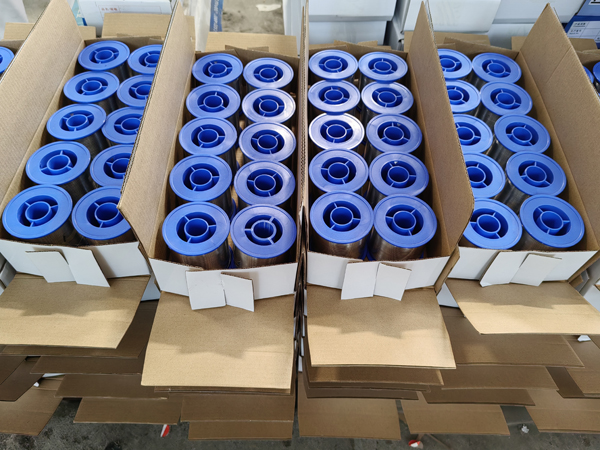
The Soldertin 60 40 1.0mm alloy is perfectly suited for a multitude of circuit board assembly scenarios. Its most common applications include:
Through-Hole Technology (THT) Assembly: This is the classic method where component leads are inserted into drilled holes on the PCB and soldered on the opposite side. The 1.0mm diameter provides ample solder for creating strong, dome-shaped fillets around these leads.
Rework and Repair: Technicians rely on Soldertin Sn60/Pb40 for repairing damaged traces, replacing faulty components, and making modifications to existing boards. Its reliable performance and ease of use make it the go-to choice for rework stations.
Hand Soldering of Larger SMDs: While finer diameters are used for tiny chips, the soldertin 1.0mm wire is excellent for hand-soldering larger surface-mount devices like connectors, capacitors, and power components.
General Wiring and Prototyping: From assembling DIY kits to building prototypes on stripboard or perfboard, this versatile soldertin roll is a fundamental material for creating permanent electrical connections.
To achieve perfect solder joints with your Soldertin 60 40 1kg roll, follow these best practices:
Surface Preparation: Ensure all surfaces (component leads and PCB pads) are clean, bright, and free of oxidation, oil, or debris. Use isopropyl alcohol or a dedicated cleaner if necessary.
Tool Selection: Use a temperature-controlled soldering iron with a suitable tip (chisel or conical tips work well with 1.0mm wire). Set the iron temperature to between 300°C and 350°C (572°F - 662°F) for optimal melting and flow.
The Soldering Technique: Employ the "heat, then feed" method. First, apply the tip of the iron to both the component lead and the PCB pad simultaneously to heat them to the solder's melting temperature. Then, feed the Soldertin Sn60/Pb40 wire into the heated area—not directly onto the iron tip. The solder should melt and flow smoothly to cover the joint.
Joint Formation: Remove the solder wire first, then the iron. Allow the joint to cool naturally and undisturbed. A well-formed joint will be shiny, smooth, and concave, fully covering the pad and enveloping the lead.
Post-Soldering Care: After cooling, it is advisable to clean the flux residue from the board using an appropriate flux remover to prevent long-term corrosion, especially if a rosin-core flux was used.
Purchasing soldertin in a 1kg roll format offers significant practical and economic benefits. For businesses involved in production or high-volume repair, it reduces the frequency of orders and material changes, minimizing downtime. The unit cost per gram is invariably lower when buying in bulk compared to small 50g or 100g reels. For serious hobbyists or makers, a soldertin 60 40 1kg roll represents a long-term investment, ensuring a consistent supply of high-quality solder for numerous projects.
Consistency is paramount in electronics manufacturing. A single, continuous soldertin roll of 1kg ensures that every joint on a board, and every board in a batch, is made with material of identical composition and diameter. This uniformity eliminates variables that could affect joint quality, reliability, and appearance. The Soldertin 60 40 1.0mm specification guarantees that the diameter is constant throughout the entire roll, preventing issues related to feeding or volume dispensing during manual or automated soldering.
The combination of the Sn60/Pb40 alloy and the 1.0mm diameter creates a product of unmatched versatility. It can effectively handle the majority of soldering tasks encountered in a typical electronics environment. When you have a soldertin for circuit board assembly that is as reliable as Soldertin Sn60, packaged in a convenient and economical 1kg roll, you equip your workspace with a fundamental component for success. Its proven track record in creating strong, conductive, and durable joints makes it a responsible choice for any application where leaded solder is permissible and preferred.

While the industry continues to evolve with lead-free alternatives, Soldertin 60 40 (Sn60/Pb40) maintains its vital position in many sectors, including automotive, aerospace, industrial controls, and specific repair fields where its superior properties are mandated. The Soldertin 60 40 1.0mm variant, supplied in a substantial 1kg roll, encapsulates the perfect blend of technical performance, user convenience, and cost-effectiveness. Whether you are assembling new boards, performing critical repairs, or bringing prototypes to life, this classic soldertin alloy provides the reliability, excellent wetting, and strong joint formation that professionals trust. By understanding its characteristics and applying it with correct technique, you leverage a material engineered for excellence in circuit board assembly, ensuring your electronic creations stand the test of time and operation.
Contact us:
Email: xfsolder@163.com or xfsolder@gmail.com
WhatsApp/Wechat: 008613450770997
In the intricate world of electronics manufacturing and repair, the choice of solder is foundational to creating durable and functional connections. Among the various alloys available, Soldertin 60 40 (Sn60/Pb40) stands as a time-tested and remarkably reliable standard. This specific formulation, consisting of 60% tin (Sn) and 40% lead (Pb), offers a unique eutectic property, melting and solidifying at a single, precise temperature. When delivered in the highly practical format of a 1kg roll with a 1.0mm diameter, it becomes an indispensable tool for professionals and enthusiasts engaged in circuit board assembly. This comprehensive guide delves into the characteristics, advantages, and optimal application methods of this classic soldertin alloy, explaining why the Soldertin 60 40 1.0mm roll remains a staple in workshops worldwide.
The primary technical advantage of Soldertin Sn60/Pb40 is its eutectic composition. A eutectic alloy has a melting point that is lower than that of its individual components. For Sn60/Pb40, this melting point is approximately 183°C (361°F). This characteristic is crucial for circuit board assembly because it means the solder transitions directly from a solid to a liquid state and, more importantly, from a liquid back to a solid without passing through a plastic or "pasty" phase. This results in:
Rapid Solidification: Minimizes the risk of disturbed joints from movement during cooling.
Predictable Flow: Allows for better control during the soldering process.
Stronger Joints: Produces joints with a fine-grained structure that are less prone to cracking and offer superior mechanical strength.
The 1.0mm diameter of this soldertin wire is carefully chosen to suit a broad range of tasks. It provides an excellent balance between solder volume delivery and precision. This diameter is ideal for through-hole components, larger surface-mount pads, and general wiring work. Paired with the substantial 1kg quantity in a soldertin roll, users benefit from extended work periods without frequent material changes, ensuring consistency across large production runs or repair batches. The physical form factor of the soldertin 60 40 1kg roll makes it easy to handle, store, and dispense, enhancing workshop efficiency.
Soldertin for circuit board assembly must exhibit excellent wettability—the ability to flow and adhere to the metal surfaces being joined (typically copper pads and component leads). The Soldertin Sn60 composition, with its specific tin-to-lead ratio, provides exceptional wetting properties. This ensures the molten solder spreads evenly over the connection point, forming a concave fillet (meniscus) that visually indicates a good bond. The resulting joints are not only electrically sound with low resistance but also mechanically robust, capable of withstanding thermal cycling and vibrational stress common in electronic devices.

The Soldertin 60 40 1.0mm alloy is perfectly suited for a multitude of circuit board assembly scenarios. Its most common applications include:
Through-Hole Technology (THT) Assembly: This is the classic method where component leads are inserted into drilled holes on the PCB and soldered on the opposite side. The 1.0mm diameter provides ample solder for creating strong, dome-shaped fillets around these leads.
Rework and Repair: Technicians rely on Soldertin Sn60/Pb40 for repairing damaged traces, replacing faulty components, and making modifications to existing boards. Its reliable performance and ease of use make it the go-to choice for rework stations.
Hand Soldering of Larger SMDs: While finer diameters are used for tiny chips, the soldertin 1.0mm wire is excellent for hand-soldering larger surface-mount devices like connectors, capacitors, and power components.
General Wiring and Prototyping: From assembling DIY kits to building prototypes on stripboard or perfboard, this versatile soldertin roll is a fundamental material for creating permanent electrical connections.
To achieve perfect solder joints with your Soldertin 60 40 1kg roll, follow these best practices:
Surface Preparation: Ensure all surfaces (component leads and PCB pads) are clean, bright, and free of oxidation, oil, or debris. Use isopropyl alcohol or a dedicated cleaner if necessary.
Tool Selection: Use a temperature-controlled soldering iron with a suitable tip (chisel or conical tips work well with 1.0mm wire). Set the iron temperature to between 300°C and 350°C (572°F - 662°F) for optimal melting and flow.
The Soldering Technique: Employ the "heat, then feed" method. First, apply the tip of the iron to both the component lead and the PCB pad simultaneously to heat them to the solder's melting temperature. Then, feed the Soldertin Sn60/Pb40 wire into the heated area—not directly onto the iron tip. The solder should melt and flow smoothly to cover the joint.
Joint Formation: Remove the solder wire first, then the iron. Allow the joint to cool naturally and undisturbed. A well-formed joint will be shiny, smooth, and concave, fully covering the pad and enveloping the lead.
Post-Soldering Care: After cooling, it is advisable to clean the flux residue from the board using an appropriate flux remover to prevent long-term corrosion, especially if a rosin-core flux was used.
Purchasing soldertin in a 1kg roll format offers significant practical and economic benefits. For businesses involved in production or high-volume repair, it reduces the frequency of orders and material changes, minimizing downtime. The unit cost per gram is invariably lower when buying in bulk compared to small 50g or 100g reels. For serious hobbyists or makers, a soldertin 60 40 1kg roll represents a long-term investment, ensuring a consistent supply of high-quality solder for numerous projects.
Consistency is paramount in electronics manufacturing. A single, continuous soldertin roll of 1kg ensures that every joint on a board, and every board in a batch, is made with material of identical composition and diameter. This uniformity eliminates variables that could affect joint quality, reliability, and appearance. The Soldertin 60 40 1.0mm specification guarantees that the diameter is constant throughout the entire roll, preventing issues related to feeding or volume dispensing during manual or automated soldering.
The combination of the Sn60/Pb40 alloy and the 1.0mm diameter creates a product of unmatched versatility. It can effectively handle the majority of soldering tasks encountered in a typical electronics environment. When you have a soldertin for circuit board assembly that is as reliable as Soldertin Sn60, packaged in a convenient and economical 1kg roll, you equip your workspace with a fundamental component for success. Its proven track record in creating strong, conductive, and durable joints makes it a responsible choice for any application where leaded solder is permissible and preferred.

While the industry continues to evolve with lead-free alternatives, Soldertin 60 40 (Sn60/Pb40) maintains its vital position in many sectors, including automotive, aerospace, industrial controls, and specific repair fields where its superior properties are mandated. The Soldertin 60 40 1.0mm variant, supplied in a substantial 1kg roll, encapsulates the perfect blend of technical performance, user convenience, and cost-effectiveness. Whether you are assembling new boards, performing critical repairs, or bringing prototypes to life, this classic soldertin alloy provides the reliability, excellent wetting, and strong joint formation that professionals trust. By understanding its characteristics and applying it with correct technique, you leverage a material engineered for excellence in circuit board assembly, ensuring your electronic creations stand the test of time and operation.
Contact us:
Email: xfsolder@163.com or xfsolder@gmail.com
WhatsApp/Wechat: 008613450770997
The selection of solder is a foundational element in the successful assembly and repair of LED lighting systems. The eutectic 63 37 sn pb solder offers an unparalleled combination of a low melting point, excellent wettability, and joint reliability that is perfectly suited to the thermal sensitivity of LED components. By understanding the specific applications for each diameter—from the precision of 63 37 sn pb solder 1.0mm to the power of 63 37 sn pb solder 2.0mm—you can dramatically improve the quality and efficiency of your work. Packaging this superior alloy as solder in a reel, specifically in a 63 37 sn pb solder 1 kg reel, adds layers of practicality, economy, and consistency that benefit everyone from the professional production engineer to the meticulous hobbyist. Therefore, equipping your workspace with the appropriate diameter of 63 37 sn pb solder for LED Lights is not just a purchase; it is an investment in achieving superior, reliable, and professional results in all you
Our comprehensive range of 63 37 leaded wire solder for electronics is meticulously designed to meet the exacting demands of modern electronics work. The eutectic 63/37 tin-lead alloy guarantees reliable, shiny joints free from cold solder defects. The availability of both 63 37 leaded solder 0.6mm for precision tasks and 63 37 leaded solder 0.9mm for versatile general-purpose work ensures you have the right tool for every job. Furthermore, our flexible packaging—from the bulk 63 37 leaded solder 454g for professionals, to the standard 63 37 leaded solder 227g, and the accessible 63 37 leaded solder 100g for beginners—means there is a perfect option for every user and budget. Elevate your soldering work with the proven performance and quality of genuine 63 37 leaded solder.
Welcome to XF Solder, a leading manufacturer from China dedicated to producing high-quality soldering materials for the global market. We specialize in creating reliable, consistent, and performance-driven solder products that meet the rigorous demands of various industries. Our flagship product, the 60 40 Solder .032'' 1 lb spool, represents the gold standard in through-hole and general-purpose electronics assembly. This article provides a detailed overview of why this specific formulation and packaging is an indispensable inventory item for distributors, a superior choice for importers seeking quality from China, and a perfect 60 40 Solder 1 lb for Wholesale operations globally. We will explore its technical specifications, unparalleled benefits, and the strategic advantage it offers in the competitive electronics supply chain.
The combination of the proven 60 sn 40 pb alloy, the convenience of three standard diameters (1.6mm, 1.8mm, 2mm), and the economic 1lb (454g) packaging makes this product an indispensable tool for anyone involved in creating or repairing electrical assemblies. Whether you are a seasoned engineer working on complex industrial systems or a hobbyist bringing your first circuit to life, this 60 40 sn pb wire solder provides the performance, reliability, and value you need to ensure every connection is perfect. Stock up on this classic soldering solution today and experience the difference that quality materials make.