|


| Quantity: | |
|---|---|
When it comes to reliable electrical wire connection, the base alloy and flux delivery system determine the outcome of every joint. XF Solder presents the Rosin Core Tin Solder Wire Sn63 Pb37 63 37 in 1kg roll & 1.2mm Diameter, a eutectic-grade soldering solution engineered specifically for wire harnessing, terminal bonding, and PCB wire attachment. As a specialized Tin Solder Wire Chinese Manufacturer, XF Solder controls the entire production chain—from alloy melting to the precise injection of rosin flux—ensuring that every meter of Tin Solder Wire 63 37 1kg delivers predictable melting behavior and joint integrity.
The designation Tin Solder Wire 63 37 refers to the eutectic composition of 63% tin and 37% lead. Unlike non-eutectic alloys that transition through a pasty phase, this specific ratio melts and solidifies at a single temperature of approximately 183°C . For anyone working with Electrical Wires, this characteristic is not merely a technical footnote—it is the difference between a cold joint and a mirror-bright, mechanically sound connection. When the solder freezes instantly, the risk of disturbed joints during the critical cooling seconds is virtually eliminated.
The Tin Solder Wire Sn63 Pb37 1.2mm diameter strikes a practical balance for wire connection tasks. A 1.2mm wire feeds quickly enough to tin larger gauge stranded wires without excessive waiting, yet it remains controllable for smaller terminals and connector pins. Operators using Tin Solder Wire 63 37 1.2mm find that the wire melts at a rate matched to typical 30W–60W soldering irons, preventing overheating of insulation while still delivering sufficient thermal mass to create a proper intermetallic bond.

The phrase Rosin Core Tin Solder Wire Sn63 Pb37 describes an integrated system. Inside the hollow core of the solder wire runs a continuous channel of refined rosin flux. During heating, this flux activates to remove surface oxidation from both the copper wire and the solder itself, allowing the molten alloy to wet and alloy with the base metal . The benefit is procedural: no separate flux application, no messy flux brushes, and no guesswork regarding flux quantity.
For technicians engaged in repetitive wire soldering, Rosin Core Tin Solder Wire 63 37 represents a workflow optimization. The flux is delivered precisely where it is needed—at the point of heat—rather than being applied externally where it might evaporate before the solder arrives. This is particularly valuable when soldering Electrical Wires in confined spaces such as connector shells or junction boxes, where applying paste flux is impractical. The residue left behind by rosin core is generally non-corrosive and non-conductive, meaning post-soldering cleaning is often optional for non-critical applications .
A solder joint on a wire must survive vibration, thermal cycling, and the mechanical pull of cable routing. The eutectic microstructure of Rosin Core Tin Solder Wire Sn63 Pb37 yields a fine grain structure that resists fatigue cracking better than coarser, non-eutectic alloys. The bonding strength achieved on copper wire is substantial—when properly wetted, the joint fails in the heat-affected copper zone rather than at the solder interface, indicating that the solder itself is stronger than the wire it joins.
Wetting is the precursor to bonding. Without adequate wetting, solder sits on the surface as a droplet rather than spreading into a fillet. The rosin core in this Tin Solder Wire 63 37 activates at soldering temperatures, reducing surface tension and allowing the alloy to flow into the strands of stranded wire and around terminal posts . The result is a concave fillet that visually indicates proper wetting—no voids, no lifted pads, and no “bird-caging” on stranded conductors.
Tin and lead both conduct electricity well, and the eutectic alloy provides a low-resistance path across the joint. While the conductivity of the solder itself is lower than that of copper, the joint’s overall resistance depends more on the contact area and the absence of oxides at the interface. Because the rosin core prevents re-oxidation during soldering, the Rosin Core Tin Solder Wire for Electrical Wires creates a metallurgically clean interface with minimal contact resistance. For signal wires, ground leads, and power connections in low-voltage systems, this reliability is essential.

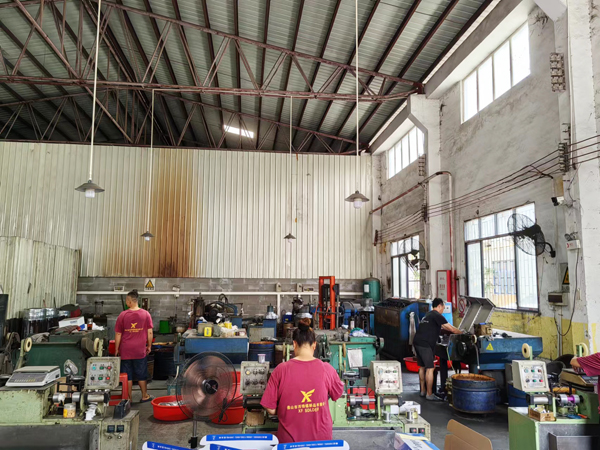
Choosing a supplier for Tin Solder Wire 63 37 1kg involves more than comparing prices. XF Solder operates as a dedicated Tin Solder Wire Chinese Manufacturer based in Foshan, Guangdong—the heart of China‘s soldering materials production cluster . The factory controls alloy composition through in-house melting and spectrographic verification, draws the wire to precise tolerances, and injects flux under controlled conditions to ensure consistent core continuity. For buyers who require documentation, XF Solder provides material reports and supports OEM specifications for diameter, spool weight, and flux percentage.
The Tin Solder Wire Sn63 Pb37 1kg format—note that “Pb37” is a common shorthand for Pb37 in purchasing contexts—is the practical unit for workshops that solder daily. A 1kg spool mounted on a wire dispenser feeds smoothly without the frequent spool changes required by 100g or 250g rolls. For maintenance departments and contract manufacturers alike, the Tin Solder Wire 63 37 1kg spool reduces downtime and packaging waste. The standardized 1.2mm diameter further eliminates setup variation between operators.
The Tin Solder Wire Sn63 Pb37 1.2mm melts at 183°C (361°F), which is the eutectic temperature for this alloy . This matters because the solder transitions directly from solid to liquid without a plastic range. When soldering electrical wires, a sharp melting point means the joint solidifies almost immediately after the iron is removed. This rapid freeze prevents the wire from shifting and creating a cold joint, a common failure mode in wire harness assembly.
No additional flux is required for most clean copper wire connections. The Rosin Core Tin Solder Wire 63 37 contains a continuous flux core that activates during heating to remove light oxidation and promote wetting . However, if the wire is heavily oxidized or has been exposed to corrosive environments, pre-cleaning with abrasion or a separate flux may still be advisable. For standard new wire and terminals, the internal rosin is sufficient.
Yes, but technique matters. The Tin Solder Wire 63 37 1kg flows readily into stranded conductors when the wire is heated to the proper temperature before solder is applied. The key is to heat the wire itself, not the solder. Once the wire reaches approximately 183°C, touching the Rosin Core Tin Solder Wire Sn63 Pb37 to the joint will cause it to melt and wick into the strands by capillary action. The rosin core helps by cleaning the internal strand surfaces as the solder penetrates.
XF Solder is a Foshan-based Tin Solder Wire Chinese Manufacturer with established export experience for their solder products . The company supports OEM orders, custom spool weights, and alloy variations. Buyers can request material certifications and arrange third-party inspection prior to shipment. The factory‘s location near Guangzhou and Shenzhen ports facilitates efficient logistics for international distribution.
Because Rosin Core Tin Solder Wire for Electrical Wires contains lead, proper ventilation and personal protection are mandatory. Solder only in well-ventilated areas or under fume extraction. Wash hands thoroughly after handling, and never eat or smoke in the work area . The rosin flux produces mild fumes that may irritate sensitive individuals; adequate airflow mitigates this. Dispose of solder dross and empty spools in accordance with local regulations for lead-bearing materials.
The Tin Solder Wire Sn63 Pb37 1.2mm diameter is optimized for wire gauges from roughly 18 AWG to 26 AWG. Thinner wires (0.6mm or 0.8mm) require more dwell time to feed enough solder for a robust connection, increasing the risk of insulation damage. Thicker wires (1.5mm+) can deliver too much solder too quickly on small terminals. The 1.2mm size in this Rosin Core Tin Solder Wire Sn63 Pb37 provides sufficient feed rate for efficient joint formation without overwhelming the joint.
The Rosin Core Tin Solder Wire Sn63 Pb37 63 37 in 1kg roll & 1.2mm Diameter is not a generic commodity—it is a specification-driven tool for electrical wire connection. The eutectic alloy eliminates the plastic range that causes disturbed joints. The rosin core removes the flux application variable. The 1.2mm diameter and 1kg spool format align with the rhythms of professional repair and production. And behind the product stands XF Solder, a Tin Solder Wire Chinese Manufacturer that understands the difference between selling wire and supplying a reliable soldering outcome. For inquiries regarding specifications, samples, or OEM orders, contact XF Solder directly to discuss your wire connection requirements.
Contact us:
Email: xfsolder@gmail.com or xfsolder@163.com
WhatsApp/Wechat: +8613450770997


 注: 建议图片大小150px*50px