| Availability: | |
|---|---|
| Quantity: | |
In the intricate world of electronics assembly and repair, the choice of solder is foundational to creating strong, reliable, and conductive connections. Among the myriad options available, 63 37 rosin core solder stands out as a time-tested and trusted solution. This specific alloy, composed of 63% tin (Sn) and 37% lead (Pb), is renowned for its eutectic property, meaning it melts and solidifies at a single, precise temperature. This characteristic is crucial for producing smooth, shiny joints with minimal risk of cold solder defects. When combined with a rosin flux core, this solder becomes a self-contained welding system, eliminating the need for separate flux application in most standard scenarios. This article provides a comprehensive exploration of Sn63 Pb37 rosin core solder, focusing on its 1.5mm diameter and the practical spool sizes of 100g, 200g, 900g, and 1kg, detailing its optimal use for both hand soldering and machine soldering processes across diverse applications.

The 63 37 rosin core solder alloy is eutectic. Unlike other tin-lead combinations that have a plastic range (a period where the solder is part solid, part liquid), the 63/37 ratio transitions directly from solid to liquid at 183°C (361°F). This immediate solidification upon cooling is vital for preventing disturbed joints, especially when the workpiece is moved before the solder fully sets. The integrated rosin flux, a natural resin derived from pine trees, plays a critical role by cleaning the metal surfaces of oxides and promoting superior wetting and flow of the molten solder, ensuring a robust metallurgical bond.
The 63 37 rosin core solder 1.5mm diameter represents a versatile middle ground. It is substantial enough to deliver an adequate volume of solder for through-hole components, such as resistors, capacitors, and connectors, with just a few millimeters of feed. Simultaneously, it is precise enough for many surface-mount device (SMD) soldering tasks, including drag soldering for multi-pin ICs or touch-up work. This diameter balances control and efficiency, making it an excellent default choice for workshops handling varied electronic tasks.
Choosing the right spool size impacts cost-efficiency and workspace organization.
63 37 rosin core solder 1.5mm 100g: The perfect starter or field service kit size. It's compact, portable, and ideal for hobbyists, students, or technicians performing occasional repairs.
63 37 rosin core solder 1.5mm 200g: A great step-up size for more frequent users, small businesses, or specific project work. It offers more material without a large commitment.
63 37 rosin core solder 900g / rosin core solder 900g: This is a popular professional and industrial size. It provides substantial volume for high-usage environments like repair labs or small-scale production lines, often at a more favorable cost-per-gram than smaller spools.
63 37 rosin core solder 1.5mm 1kg: The ultimate choice for maximum volume and value. The 63 37 rosin core solder 1.5mm 1kg spool is designed for continuous, high-demand operations, minimizing changeovers and ensuring constant availability for production soldering machines or busy repair facilities.
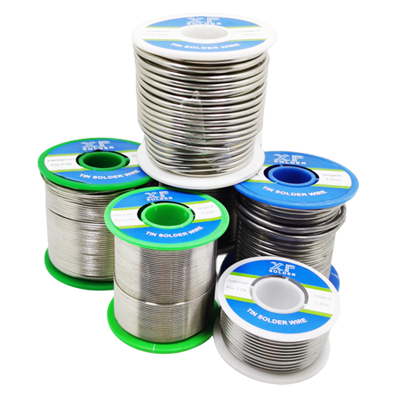
63 37 rosin core solder is the workhorse for a vast array of electrical and electronic soldering tasks. Its reliability makes it suitable for:
Consumer Electronics Repair: Fixing broken traces, replacing components, or repairing connectors on televisions, audio amplifiers, game consoles, and power supplies.
Printed Circuit Board (PCB) Prototyping and Assembly: Building and testing new circuit designs, populating through-hole component boards in maker projects or R&D departments.
Automotive Electronics: Repairing or modifying control units, sensor wiring, and infotainment systems, where durable joints are essential.
Appliance Repair: Servicing control panels, thermostat connections, and motor wiring in washing machines, refrigerators, and microwaves.
Telecommunications Equipment: Maintaining and repairing legacy or current network hardware.
Hobbyist and Educational Projects: From building radios and Arduino shields to robotics, the 63 37 rosin core solder for Hand Soldering is a staple in makerspaces and classrooms.
For the technician with an iron, 63 37 rosin core solder for Hand Soldering offers unmatched control and feedback. The 1.5mm diameter allows the user to easily meter the amount of solder fed onto the joint by feel. The rosin core's activity is perfectly matched to the thermal profile of hand-soldering irons (typically between 300°C and 380°C), producing just enough clean, non-corrosive residue that can often be left on the board unless specified otherwise.
Temperature Setting: Set your iron to approximately 350°C (662°F) for general work. The eutectic nature of Sn63 Pb37 rosin core solder means a clean, hot iron will produce the best results.
The Process: Apply the tip of the iron to the joint to heat both the component lead and the PCB pad simultaneously. After 1-2 seconds, feed the 63 37 rosin core solder 1.5mm wire into the joint, not directly onto the iron tip. The solder should melt and flow smoothly around the lead and into the pad.
Inspection: A proper joint will be smooth, shiny, and concave, covering the pad entirely. The rosin residue will be clear or light brown if heated correctly.
In wave soldering or selective soldering machines, consistency is king. 63 37 rosin core solder for Machine Soldering provides this in spades. The uniform alloy composition and diameter of the 63 37 rosin core solder 1.5mm wire ensure a stable feed rate and predictable melting behavior in automated feeders. The rosin flux core is activated at the machine's operating temperatures, effectively preparing thousands of connections per hour for perfect wetting.
Spool Selection: For automated lines, larger spools like the 63 37 rosin core solder 900g or the 63 37 rosin core solder 1.5mm 1kg are essential to maintain uninterrupted production and reduce downtime for spool changes.
Flux Compatibility: While the integral rosin flux is sufficient for many applications, some machine processes may involve an additional external fluxing stage. It's important to ensure compatibility to avoid over-fluxing or chemical interactions.
Dross Minimization: The eutectic formulation tends to produce less dross (oxidized solder waste) compared to non-eutectic alloys, contributing to material cost savings over time in machine pots.

A: For applications where joint disturbance is a risk, yes. The eutectic 63 37 rosin core solder solidifies instantly at 183°C, while 60/40 solder has a plastic range between 183°C and 188°C. If the joint is moved during this plastic phase, a "cold" or granulated joint can form, which is weak and unreliable. For most general-purpose work, both are excellent, but 63/37 offers a margin of safety against this specific defect.
A: Absolutely. The 63 37 rosin core solder 1.5mm diameter is well-suited for SMD work. For reflow soldering, solder paste is standard. However, for hand-soldering SMDs, drag soldering, or rework, the 1.5mm wire can be easily melted onto a fine tip or used with a solder pot. The rosin flux effectively cleans the small pads and leads.
A: Consider your usage frequency and project scale.
Hobbyist/Infrequent use: Start with 63 37 rosin core solder 1.5mm 100g or 200g.
Professional repair tech/small business: The rosin core solder 900g spool offers a great balance of quantity and manageability.
High-volume production/continuous use: The 63 37 rosin core solder 1.5mm 1kg spool provides maximum volume and the best long-term value.
A: Rosin flux residue is generally non-corrosive and non-conductive in its inert state, so for many commercial and hobby applications, cleaning is not mandatory. However, the residue can become sticky over time and attract dust. For high-reliability electronics (medical, aerospace, automotive) or assemblies that will be conformally coated, the residue must be removed using isopropyl alcohol or specialized flux removers.
A: Lead is a toxic substance. Always work in a well-ventilated area, preferably with a fume extractor or fan to remove flux fumes. Wash your hands thoroughly after handling solder, and avoid eating or drinking in the workspace. For applications where lead cannot be used due to regulations (like RoHS-compliant consumer goods), lead-free alternatives must be selected.
To maintain the quality of your Sn63 Pb37 rosin core solder, store spools in a cool, dry place to prevent oxidation of the wire and degradation of the flux core. Keep the 63 37 rosin core solder 1.5mm 100g or 200g spools in their original containers when not in use. For larger spools like the 63 37 rosin core solder 900g, ensure they are mounted properly on the soldering station or dispenser to prevent tangling. Always use clean, well-tinned soldering iron tips to ensure efficient heat transfer and to avoid contaminating the solder joint.
Whether you are a student assembling your first circuit, a technician repairing a vintage amplifier, or an operator managing a selective soldering machine, 63 37 rosin core solder proves to be an exceptionally reliable and versatile material. The eutectic Sn63/Pb37 alloy ensures strong, defect-free joints, while the integrated rosin flux simplifies the process. The 1.5mm diameter strikes an ideal balance for a wide range of components, and the availability of spools from a convenient 63 37 rosin core solder 1.5mm 100g up to an economical 63 37 rosin core solder 1.5mm 1kg ensures there is a perfect package for every need and scale of operation. By understanding its properties and following best practices for both hand soldering and machine soldering, users can achieve consistent, professional-grade results across countless electronic applications.
Contact us:
Email: xfsolder@163.com or xfsolder@gmail.com
WhatsApp/Wechat: 008613450770997
In the intricate world of electronics assembly and repair, the choice of solder is foundational to creating strong, reliable, and conductive connections. Among the myriad options available, 63 37 rosin core solder stands out as a time-tested and trusted solution. This specific alloy, composed of 63% tin (Sn) and 37% lead (Pb), is renowned for its eutectic property, meaning it melts and solidifies at a single, precise temperature. This characteristic is crucial for producing smooth, shiny joints with minimal risk of cold solder defects. When combined with a rosin flux core, this solder becomes a self-contained welding system, eliminating the need for separate flux application in most standard scenarios. This article provides a comprehensive exploration of Sn63 Pb37 rosin core solder, focusing on its 1.5mm diameter and the practical spool sizes of 100g, 200g, 900g, and 1kg, detailing its optimal use for both hand soldering and machine soldering processes across diverse applications.

The 63 37 rosin core solder alloy is eutectic. Unlike other tin-lead combinations that have a plastic range (a period where the solder is part solid, part liquid), the 63/37 ratio transitions directly from solid to liquid at 183°C (361°F). This immediate solidification upon cooling is vital for preventing disturbed joints, especially when the workpiece is moved before the solder fully sets. The integrated rosin flux, a natural resin derived from pine trees, plays a critical role by cleaning the metal surfaces of oxides and promoting superior wetting and flow of the molten solder, ensuring a robust metallurgical bond.
The 63 37 rosin core solder 1.5mm diameter represents a versatile middle ground. It is substantial enough to deliver an adequate volume of solder for through-hole components, such as resistors, capacitors, and connectors, with just a few millimeters of feed. Simultaneously, it is precise enough for many surface-mount device (SMD) soldering tasks, including drag soldering for multi-pin ICs or touch-up work. This diameter balances control and efficiency, making it an excellent default choice for workshops handling varied electronic tasks.
Choosing the right spool size impacts cost-efficiency and workspace organization.
63 37 rosin core solder 1.5mm 100g: The perfect starter or field service kit size. It's compact, portable, and ideal for hobbyists, students, or technicians performing occasional repairs.
63 37 rosin core solder 1.5mm 200g: A great step-up size for more frequent users, small businesses, or specific project work. It offers more material without a large commitment.
63 37 rosin core solder 900g / rosin core solder 900g: This is a popular professional and industrial size. It provides substantial volume for high-usage environments like repair labs or small-scale production lines, often at a more favorable cost-per-gram than smaller spools.
63 37 rosin core solder 1.5mm 1kg: The ultimate choice for maximum volume and value. The 63 37 rosin core solder 1.5mm 1kg spool is designed for continuous, high-demand operations, minimizing changeovers and ensuring constant availability for production soldering machines or busy repair facilities.

63 37 rosin core solder is the workhorse for a vast array of electrical and electronic soldering tasks. Its reliability makes it suitable for:
Consumer Electronics Repair: Fixing broken traces, replacing components, or repairing connectors on televisions, audio amplifiers, game consoles, and power supplies.
Printed Circuit Board (PCB) Prototyping and Assembly: Building and testing new circuit designs, populating through-hole component boards in maker projects or R&D departments.
Automotive Electronics: Repairing or modifying control units, sensor wiring, and infotainment systems, where durable joints are essential.
Appliance Repair: Servicing control panels, thermostat connections, and motor wiring in washing machines, refrigerators, and microwaves.
Telecommunications Equipment: Maintaining and repairing legacy or current network hardware.
Hobbyist and Educational Projects: From building radios and Arduino shields to robotics, the 63 37 rosin core solder for Hand Soldering is a staple in makerspaces and classrooms.
For the technician with an iron, 63 37 rosin core solder for Hand Soldering offers unmatched control and feedback. The 1.5mm diameter allows the user to easily meter the amount of solder fed onto the joint by feel. The rosin core's activity is perfectly matched to the thermal profile of hand-soldering irons (typically between 300°C and 380°C), producing just enough clean, non-corrosive residue that can often be left on the board unless specified otherwise.
Temperature Setting: Set your iron to approximately 350°C (662°F) for general work. The eutectic nature of Sn63 Pb37 rosin core solder means a clean, hot iron will produce the best results.
The Process: Apply the tip of the iron to the joint to heat both the component lead and the PCB pad simultaneously. After 1-2 seconds, feed the 63 37 rosin core solder 1.5mm wire into the joint, not directly onto the iron tip. The solder should melt and flow smoothly around the lead and into the pad.
Inspection: A proper joint will be smooth, shiny, and concave, covering the pad entirely. The rosin residue will be clear or light brown if heated correctly.
In wave soldering or selective soldering machines, consistency is king. 63 37 rosin core solder for Machine Soldering provides this in spades. The uniform alloy composition and diameter of the 63 37 rosin core solder 1.5mm wire ensure a stable feed rate and predictable melting behavior in automated feeders. The rosin flux core is activated at the machine's operating temperatures, effectively preparing thousands of connections per hour for perfect wetting.
Spool Selection: For automated lines, larger spools like the 63 37 rosin core solder 900g or the 63 37 rosin core solder 1.5mm 1kg are essential to maintain uninterrupted production and reduce downtime for spool changes.
Flux Compatibility: While the integral rosin flux is sufficient for many applications, some machine processes may involve an additional external fluxing stage. It's important to ensure compatibility to avoid over-fluxing or chemical interactions.
Dross Minimization: The eutectic formulation tends to produce less dross (oxidized solder waste) compared to non-eutectic alloys, contributing to material cost savings over time in machine pots.

A: For applications where joint disturbance is a risk, yes. The eutectic 63 37 rosin core solder solidifies instantly at 183°C, while 60/40 solder has a plastic range between 183°C and 188°C. If the joint is moved during this plastic phase, a "cold" or granulated joint can form, which is weak and unreliable. For most general-purpose work, both are excellent, but 63/37 offers a margin of safety against this specific defect.
A: Absolutely. The 63 37 rosin core solder 1.5mm diameter is well-suited for SMD work. For reflow soldering, solder paste is standard. However, for hand-soldering SMDs, drag soldering, or rework, the 1.5mm wire can be easily melted onto a fine tip or used with a solder pot. The rosin flux effectively cleans the small pads and leads.
A: Consider your usage frequency and project scale.
Hobbyist/Infrequent use: Start with 63 37 rosin core solder 1.5mm 100g or 200g.
Professional repair tech/small business: The rosin core solder 900g spool offers a great balance of quantity and manageability.
High-volume production/continuous use: The 63 37 rosin core solder 1.5mm 1kg spool provides maximum volume and the best long-term value.
A: Rosin flux residue is generally non-corrosive and non-conductive in its inert state, so for many commercial and hobby applications, cleaning is not mandatory. However, the residue can become sticky over time and attract dust. For high-reliability electronics (medical, aerospace, automotive) or assemblies that will be conformally coated, the residue must be removed using isopropyl alcohol or specialized flux removers.
A: Lead is a toxic substance. Always work in a well-ventilated area, preferably with a fume extractor or fan to remove flux fumes. Wash your hands thoroughly after handling solder, and avoid eating or drinking in the workspace. For applications where lead cannot be used due to regulations (like RoHS-compliant consumer goods), lead-free alternatives must be selected.
To maintain the quality of your Sn63 Pb37 rosin core solder, store spools in a cool, dry place to prevent oxidation of the wire and degradation of the flux core. Keep the 63 37 rosin core solder 1.5mm 100g or 200g spools in their original containers when not in use. For larger spools like the 63 37 rosin core solder 900g, ensure they are mounted properly on the soldering station or dispenser to prevent tangling. Always use clean, well-tinned soldering iron tips to ensure efficient heat transfer and to avoid contaminating the solder joint.
Whether you are a student assembling your first circuit, a technician repairing a vintage amplifier, or an operator managing a selective soldering machine, 63 37 rosin core solder proves to be an exceptionally reliable and versatile material. The eutectic Sn63/Pb37 alloy ensures strong, defect-free joints, while the integrated rosin flux simplifies the process. The 1.5mm diameter strikes an ideal balance for a wide range of components, and the availability of spools from a convenient 63 37 rosin core solder 1.5mm 100g up to an economical 63 37 rosin core solder 1.5mm 1kg ensures there is a perfect package for every need and scale of operation. By understanding its properties and following best practices for both hand soldering and machine soldering, users can achieve consistent, professional-grade results across countless electronic applications.
Contact us:
Email: xfsolder@163.com or xfsolder@gmail.com
WhatsApp/Wechat: 008613450770997
The selection of solder is a foundational element in the successful assembly and repair of LED lighting systems. The eutectic 63 37 sn pb solder offers an unparalleled combination of a low melting point, excellent wettability, and joint reliability that is perfectly suited to the thermal sensitivity of LED components. By understanding the specific applications for each diameter—from the precision of 63 37 sn pb solder 1.0mm to the power of 63 37 sn pb solder 2.0mm—you can dramatically improve the quality and efficiency of your work. Packaging this superior alloy as solder in a reel, specifically in a 63 37 sn pb solder 1 kg reel, adds layers of practicality, economy, and consistency that benefit everyone from the professional production engineer to the meticulous hobbyist. Therefore, equipping your workspace with the appropriate diameter of 63 37 sn pb solder for LED Lights is not just a purchase; it is an investment in achieving superior, reliable, and professional results in all you
Our comprehensive range of 63 37 leaded wire solder for electronics is meticulously designed to meet the exacting demands of modern electronics work. The eutectic 63/37 tin-lead alloy guarantees reliable, shiny joints free from cold solder defects. The availability of both 63 37 leaded solder 0.6mm for precision tasks and 63 37 leaded solder 0.9mm for versatile general-purpose work ensures you have the right tool for every job. Furthermore, our flexible packaging—from the bulk 63 37 leaded solder 454g for professionals, to the standard 63 37 leaded solder 227g, and the accessible 63 37 leaded solder 100g for beginners—means there is a perfect option for every user and budget. Elevate your soldering work with the proven performance and quality of genuine 63 37 leaded solder.
Welcome to XF Solder, a leading manufacturer from China dedicated to producing high-quality soldering materials for the global market. We specialize in creating reliable, consistent, and performance-driven solder products that meet the rigorous demands of various industries. Our flagship product, the 60 40 Solder .032'' 1 lb spool, represents the gold standard in through-hole and general-purpose electronics assembly. This article provides a detailed overview of why this specific formulation and packaging is an indispensable inventory item for distributors, a superior choice for importers seeking quality from China, and a perfect 60 40 Solder 1 lb for Wholesale operations globally. We will explore its technical specifications, unparalleled benefits, and the strategic advantage it offers in the competitive electronics supply chain.
The combination of the proven 60 sn 40 pb alloy, the convenience of three standard diameters (1.6mm, 1.8mm, 2mm), and the economic 1lb (454g) packaging makes this product an indispensable tool for anyone involved in creating or repairing electrical assemblies. Whether you are a seasoned engineer working on complex industrial systems or a hobbyist bringing your first circuit to life, this 60 40 sn pb wire solder provides the performance, reliability, and value you need to ensure every connection is perfect. Stock up on this classic soldering solution today and experience the difference that quality materials make.